
Therefore, when we speak of man becoming “the lowest of the low,” it is not a mere poetic phrase. It signifies a descent into a state lower than that of the beasts. For an animal is driven by its instincts for survival and propagation, without the capacity for moral choice or spiritual awareness. But man, when he willingly surrenders to the tyrannical rule of his lust and anger, actively chooses his own degradation. He becomes a slave to his desires, his heart chained to the fleeting pleasures of the senses, his intellect blinded by the fog of passion. In this state, the divine light within him is all but extinguished, and he lives a life of inner chaos, a captive to the very forces he was meant to govern.
Press enter or click to view image in full size
Photo by Tj Holowaychuk on Unsplash
Conversely, to become “the highest of the high” is to achieve a victory far greater than any worldly conquest. It is to control, to discipline, and ultimately to govern the armies of lust and anger within the kingdom of the self. The seeker does not seek to annihilate these forces, for they are part of his God-given nature, but to place them under the command of his intellect and his spirit, to be used in service of the divine law and not in rebellion against it.
When a person achieves this mastery over his lower self, a profound transformation occurs. The inner noise of conflicting desires subsides, and the heart becomes a calm, clear pool, capable of reflecting the divine. Only then can he truly and totally supplicate before Allah. His worship is no longer a mere motion of the body or a recitation of the tongue, but a full immersion of his entire being. This is the state of true `ubudiyyah (perfect servitude).
Press enter or click to view image in full size
Photo by Sam Schooler on Unsplash
This noble attribute — to worship without distraction and to live in accordance with divine will — is the very attribute of the Angels (Malak). To attain it is to realize the true completeness of man. For man, in his perfection, combines the physical experience of the earthly realm with the spiritual purity of the celestial one. He becomes the vicegerent on earth who carries the heart of an angel.
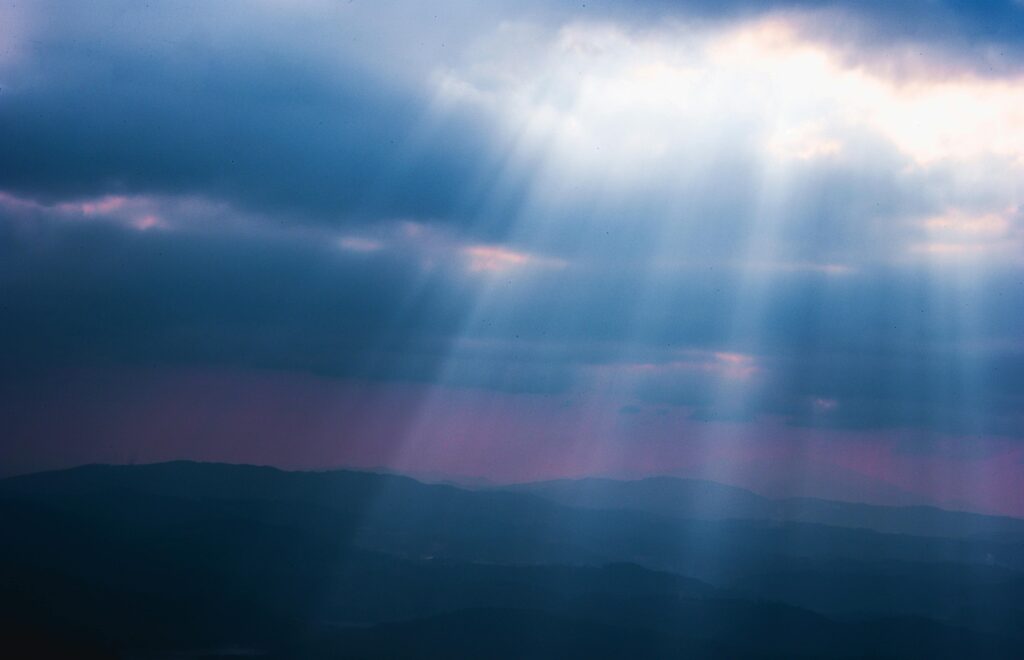
Such a person is then granted a reward that makes all worldly joys seem like worthless trinkets. He is immersed in a beautiful, nourishing light from Allah — a light of knowledge, certainty, and profound peace. This light becomes his sustenance and his greatest delight. Once he has tasted even a drop of this divine proximity, he finds the transient pleasures of the world bitter by comparison. He will not wish to leave that sacred presence even for a single second, for to be separated from it is the true torment of his soul.
Press enter or click to view image in full size
Photo by Casey Horner on Unsplash
For him, the ultimate paradise, the core of all bliss, is the promise of ‘Seeing Allah’. The pleasures that come from the eyes, the stomach, and the sexual organs are infinitesimal, fleeting shadows when placed next to the everlasting, overwhelming reality of the Divine Countenance. The joys of the world are like a single spark, while the vision of the Beloved is the eternal sun. To seek anything else as a ultimate goal is to be content with the dust when one has been offered the entire kingdom.